


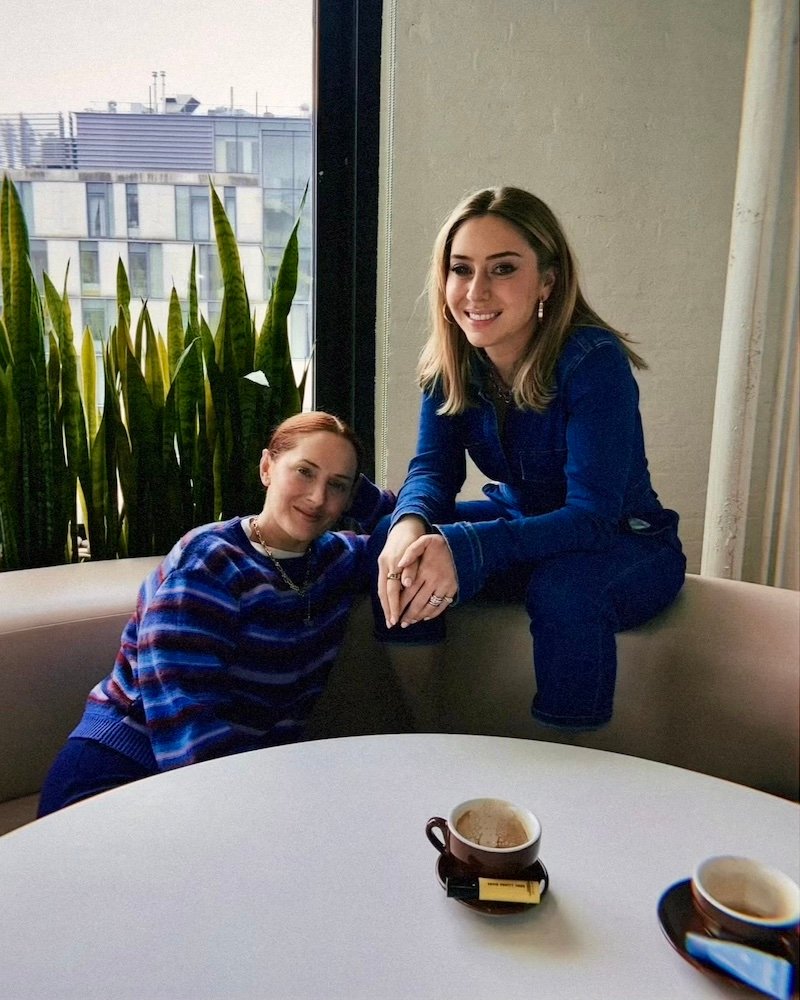
In a city overflowing with serums, lasers, and ten-step routines, two names stand out above the noise: Dr. Shereene Idriss and facialist Sofie Pavitt. Idriss, better known as #PillowTalkDerm on TikTok, has a waiting list that stretches for more than a year. Pavitt, Soho’s go-to acne specialist, built her reputation by combining no-nonsense extractions with a deep understanding of skin health. The two have become close friends—a fitting match, considering that beyond their shared passion for skin, they’re equally devoted to honesty.
When they sit down together, nothing is off the table. From the rise and fall of filler trends to TikTok’s influence on skincare, they speak with the candor of insiders who have seen it all. Here’s what they want you to know about beauty culture today—and how to cut through the hype.
The Social Media Effect
If it feels like skincare trends change by the week, you’re not imagining it. Idriss points out that Instagram and TikTok have accelerated beauty cycles. A few years ago, everyone wanted square jaws; then came fox eyes, thread lifts, plumped lips, and even earlobe fillers. Now? Fear of filler dominates the conversation, and facelifts are making a comeback.
“The problem is that social media thrives on insecurity,” Idriss explains. “Even professionals sometimes lean into fear to promote treatments.” For younger clients especially, her advice is refreshingly simple: build a solid skincare routine and stop chasing procedures you don’t need.
Pavitt sees a different but related challenge. “There’s so much misinformation,” she says. “People are layering too many actives or buying ingredients just because they’re trending.” She treats a growing number of clients with irritated skin from product overload—and notes that social platforms have distorted what “bad skin” even means. “Someone will come in with one tiny blemish and say they have the worst acne. It’s not reality.”
Fear of Filler
The backlash against fillers has reached fever pitch, but Idriss insists the truth is more nuanced. “You can’t talk about filler in broad strokes. It depends on the type, the placement, the frequency, and where you are in the aging process.” Used responsibly, filler can restore balance and volume in a way that feels natural. But it can’t do everything. “Sometimes the right answer is surgery, not another syringe.”
What worries her most is how fear online erodes confidence. “Women in their late 30s and 40s are terrified, when really they just want to look like themselves.”
The Exosome Hype
One of the hottest buzzwords in skincare right now is “exosomes.” Idriss isn’t impressed. “The whole exosome game is marketing,” she says. In theory, exosomes deliver signals that can stimulate skin repair and regeneration. In practice, over-the-counter versions are usually plant-derived and function more like antioxidant serums.
Her bigger concern? Safety. “If exosomes are human-derived and injectable, how are they preserved? How are they regulated? In the U.S., they’re not FDA approved. We don’t know what the long-term effects could be.” Her mantra: not everything new is great, and sometimes waiting is the wisest option.
Pavitt laughs, admitting Idriss’s caution is exactly the pep talk she needs before heading to Seoul, where polynucleotides (a different category of skin rejuvenators) are trending. “At least those have a decade of research behind them,” Idriss concedes.
Favorite and Forgotten Ingredients
While trends come and go, both experts stick to tried-and-true staples. Pavitt favors mandelic acid over the more commonly hyped salicylic acid for acne, citing its gentleness. She still recommends benzoyl peroxide, despite concerns raised by one study, as long as it’s stored properly.
She’s also unapologetic about disliking “natural” experiments that resurface on TikTok. “Beef tallow on your face? No. We’ve advanced past animal fat.”
For Idriss, the myths that drive her most crazy include the idea that sunscreen is toxic or that one syringe of filler will ruin your face. “The air pollution in New York is more toxic than your SPF,” she says flatly.
Choosing the Right Professional
Not everyone can land an appointment with New York’s most sought-after derm and facialist. So how do you choose the right provider?
Pavitt suggests paying attention to whether a facialist is actively practicing—or just creating content online. “It’s like finding a good hairdresser. You need consistency, someone who knows your skin over time. Real results come from accumulated care, not one flashy treatment.”
Idriss adds that the consultation is key. “Spend the money, consider it research. Observe the staff, the vibe, and whether the doctor is listening or just pushing treatments. A good provider thinks long-term, not about a quick sale.”
Botox, Facials, and the Right Timing
For Botox, Idriss refuses to give a one-size-fits-all answer. “Some 20-year-olds look 40; some 40-year-olds don’t need anything. Generally, wait until lines are visible at rest. That’s your sign.” Prevention, she insists, should begin with sunscreen and good habits.
Facials, on the other hand, can be useful earlier—especially for teens struggling with acne. Pavitt emphasizes that facials are tools, not magic fixes. “It’s about setting up routines and maintenance, not expecting transformation overnight.”
Respect for Mentors and the Value of Time
Both women carved their own paths before launching practices and product lines. Idriss trained under established experts before opening her office in 2021. Pavitt spent 15 years designing handbags for Michael Kors before pivoting to skincare, inspired by her frequent work trips to Seoul.
That foundation, they say, was crucial. “There’s this rush now to start your own brand or practice by 30,” Pavitt observes. “But you need time to develop the skills. It’s not just about being an entrepreneur—it’s about doing the work.”
For all their authority, both remain students of their craft, looking up to industry peers like Joanna Vargas, Georgia Louise, and a new generation of rising facialists downtown.
Cutting Through the Noise
At the end of the day, both Idriss and Pavitt believe in stripping away the noise—whether it’s fear-based marketing, buzzy ingredients, or TikTok trends. Their shared advice is to find trustworthy professionals, stick to consistent care, and stop chasing perfection.
As Idriss puts it, “You don’t need everything. Start with the basics, protect your skin, and remember: the goal isn’t to change your face. It’s to feel more like yourself.”


